
You don’t need formal training or a large vocabulary to enjoy wine thoughtfully. A few unhurried steps can help you notice what’s in your glass and identify what you like. Start by looking at the wine, then smell it, take a small sip, and pay attention to how it feels and tastes. There are no right answers: your own impressions are useful, whether you call a wine fruity, smooth, bright, or simply enjoyable.
Start with a look
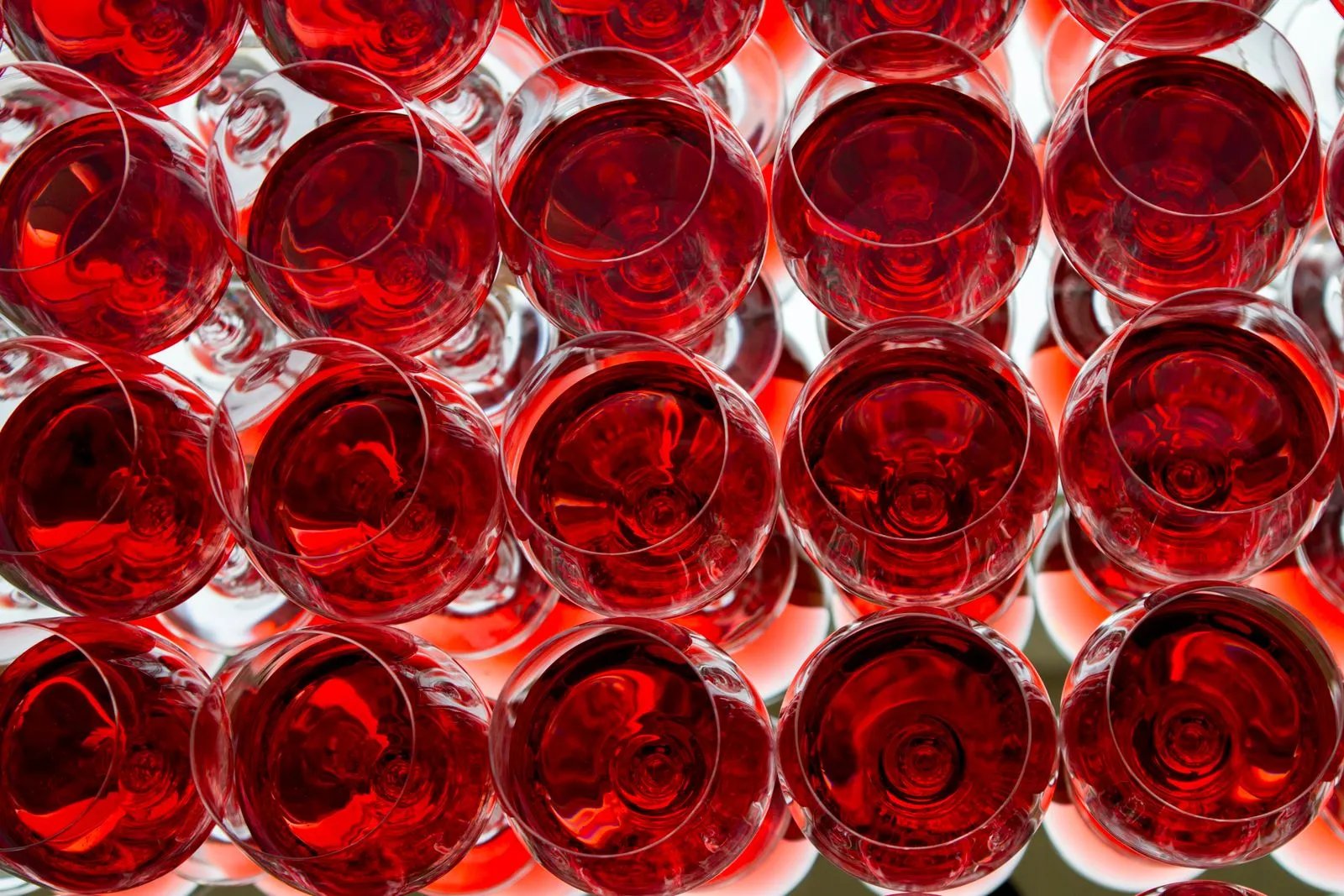
Hold the glass against a light background and notice the wine’s color and clarity. White wines may range from pale straw to deeper gold; reds can appear ruby, garnet, or purple. These observations offer a first impression, but color alone won’t tell you whether you’ll enjoy the wine.
If you want to look more closely, gently tilt the glass and watch how the wine moves along its sides. You can note whether it seems light or more concentrated. Treat this as a simple visual detail, not a test with a correct answer.
Notice the aromas
Give the wine a gentle swirl to release its aromas, then bring the glass to your nose and take a relaxed sniff. Start broad: does it smell fruity, floral, herbal, spicy, earthy, or something else? Naming a general impression is enough. You don’t need to identify a specific fruit or ingredient.
Try smelling the wine once more after a moment. You may notice a different layer, or the aroma may stay much the same. Compare it with familiar things, such as citrus peel, fresh berries, herbs, or baking spices. These are personal comparisons, not claims about what was added to the wine.
Taste beyond the first sip
Take a small sip and let the wine move across your mouth before swallowing. Notice the first impression: is it tart, sweet, fruity, savory, or a mix? Then pay attention to how the taste changes. Some wines seem lively at first and soften afterward; others keep a steady flavor from the first sip to the last.
Notice how long the flavor stays after you swallow or spit. A brief finish and a lingering one are both normal. Instead of searching for technical terms, describe what you experience in everyday language: crisp, mellow, juicy, dry, or pleasantly lingering.
Pay attention to texture
Texture is the way wine feels in your mouth. It might seem light and fresh, smooth and rounded, or richer and more substantial. Red wines can also create a drying sensation on your gums and tongue. That feeling comes from tannins, but you can simply describe it as grippy or drying if that makes more sense to you.
Try tasting the wine with a sip of water or a simple bite of food, then notice whether its texture or flavor seems different. Keep a short note of what you liked, using your own words. Over time, those notes can help you choose bottles that match your preferences without memorizing wine terminology.
Taste slowly, notice one detail at a time, and trust your own reactions. Looking, smelling, and taking a thoughtful sip can turn a glass of wine into a more engaging experience, even if your only conclusion is that you like it. If you’re exploring wine in Belfast, Belfast City Cellars can help you find a bottle to enjoy at your own pace.